Material-specific feeding
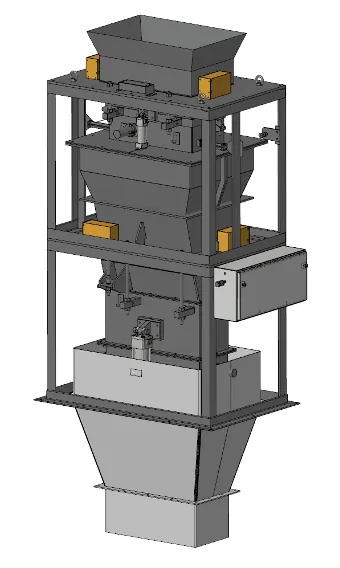
Twin-hopper weighing and the connected conveying arrangement can be selected around the actual rubber form, flow behaviour, temperature and required weight tolerance.
Sinyoung supplies synthetic rubber balers and downstream packaging systems configured for the rubber form, bale weight, packaging specification, target cycle, and plant interface. A project may combine metered feeding or weighing, hydraulic baling, film wrapping, automatic bagging, metal inspection, conveying, and robotic palletizing.
At a glance
A synthetic-rubber baling and packaging line is selected from the rubber form, bulk density, temperature, flow behaviour, bale specification and upstream discharge. The confirmed scope may combine weighing or metered feeding, SPR-180 baling, film wrapping, bagging, metal inspection, conveying and robotic palletizing.
These design features explain how the equipment supports service life, maintainability, process stability, safety or integration. Final performance remains subject to the confirmed material and project conditions.
Twin-hopper weighing and the connected conveying arrangement can be selected around the actual rubber form, flow behaviour, temperature and required weight tolerance.
The SPR-180 uses an 18 MPa continuous-working-pressure hydraulic system with servo pump control and touchscreen adjustment of pressure and holding time.
Film wrapping, bagging, metal inspection, centering conveyors and robotic handling can be combined to match the finished-bale and logistics specification.
Upstream discharge, buffers, control signals, utilities and downstream load handling are reviewed as one operating sequence rather than as isolated machines.
Selection checklist
Technical reading
This page covers synthetic-rubber baling and packaging after the upstream production process. It does not claim polymerization or synthetic-rubber drying-system supply unless those items are confirmed in a specific project scope.
Model references clarify the machine series and inquiry scope. Final quantity, specification, and combination are confirmed from feedstock, output, utilities, site layout, packaging requirements, and the engineered process boundary.
| Process / application | Standard equipment name | Model |
|---|---|---|
| Baling | Vibrating Conveyor | VC-600 |
| Baling | Weighing Hopper | WH-100 |
| Synthetic-rubber baling | Single-Chamber Baling Press | SPR-180 |
| Packaging | Belt Weigher | BW-100 |
| Packaging | Automatic Wrapping Machine | AWM-10 |
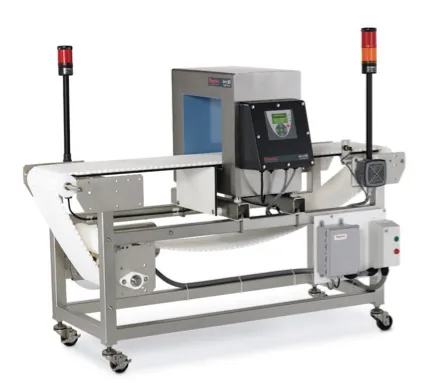
| Packaging | Metal Detector | APEX100-400/300 |
| Packaging | Bale Centering Roller Conveyor | BCC-500 |
| Packaging; motor power 0.75 kW | Metal Box Centering Conveyor | MCC-1200 |
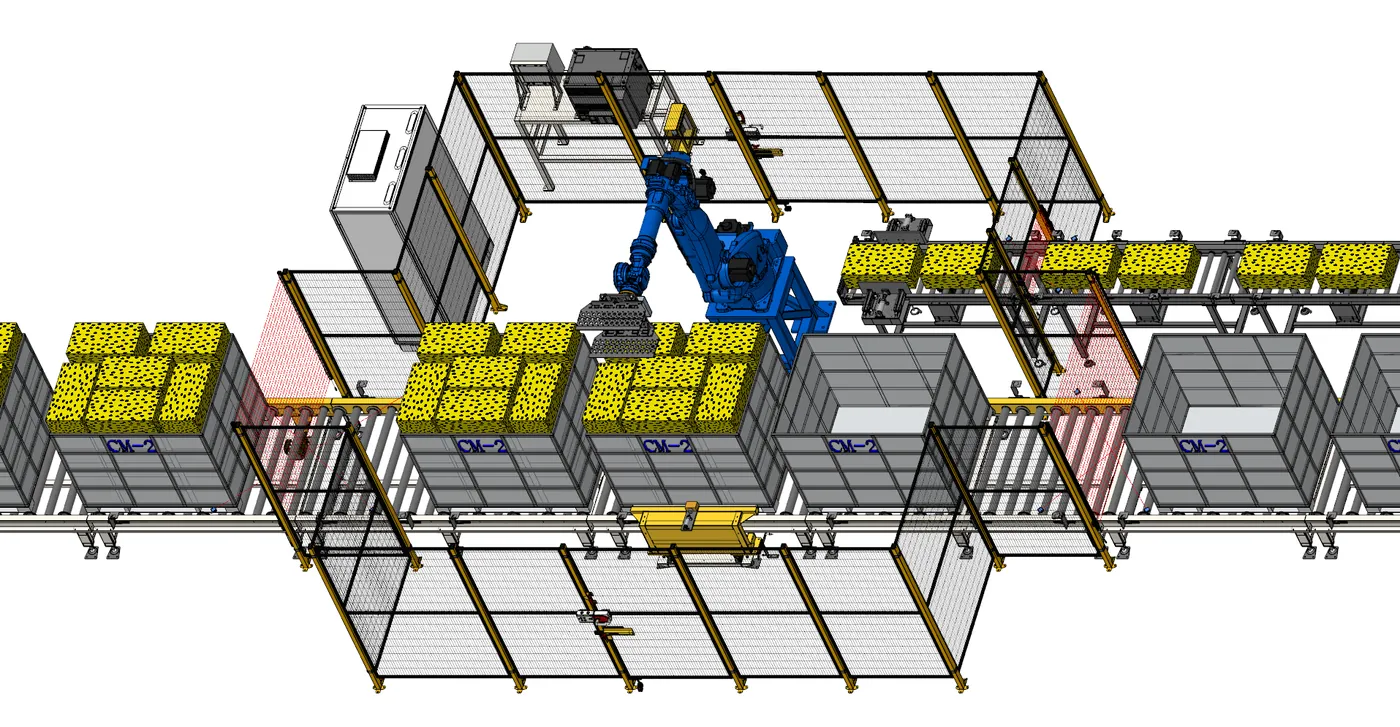
| Packaging | Palletizing Robot | PLR-6-180/2700 |
Installed above the baling press, it meters synthetic rubber to a preset weight so bale weight remains within the specified range.
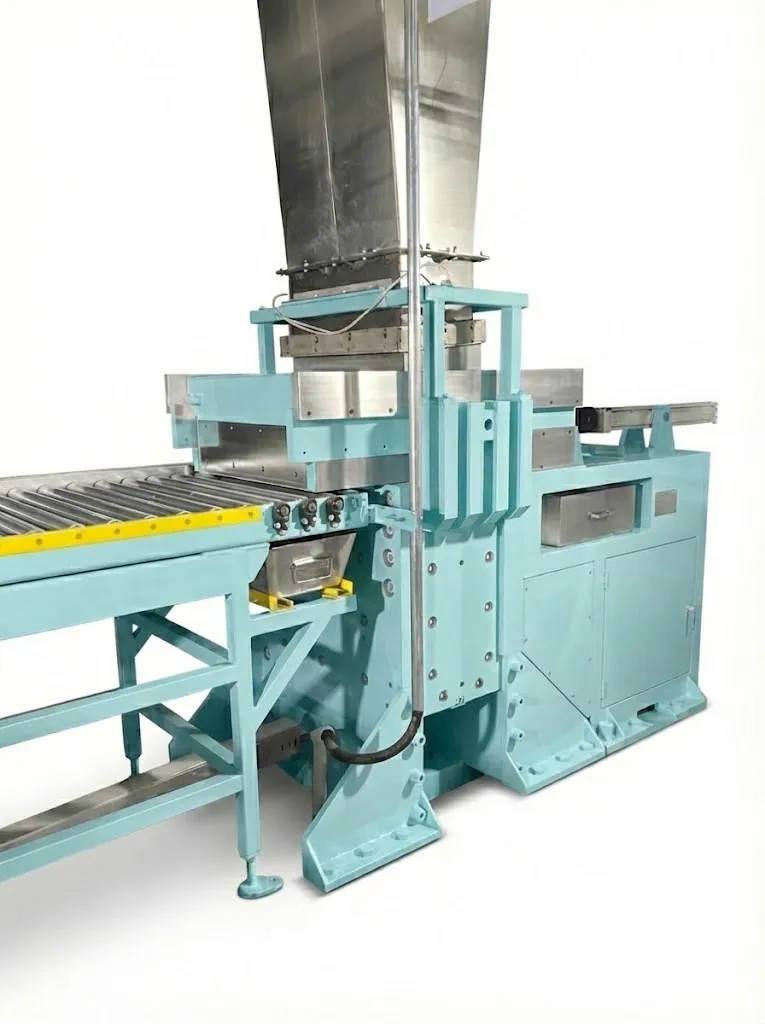
Compresses loose synthetic-rubber crumbs into bales of the specified size.
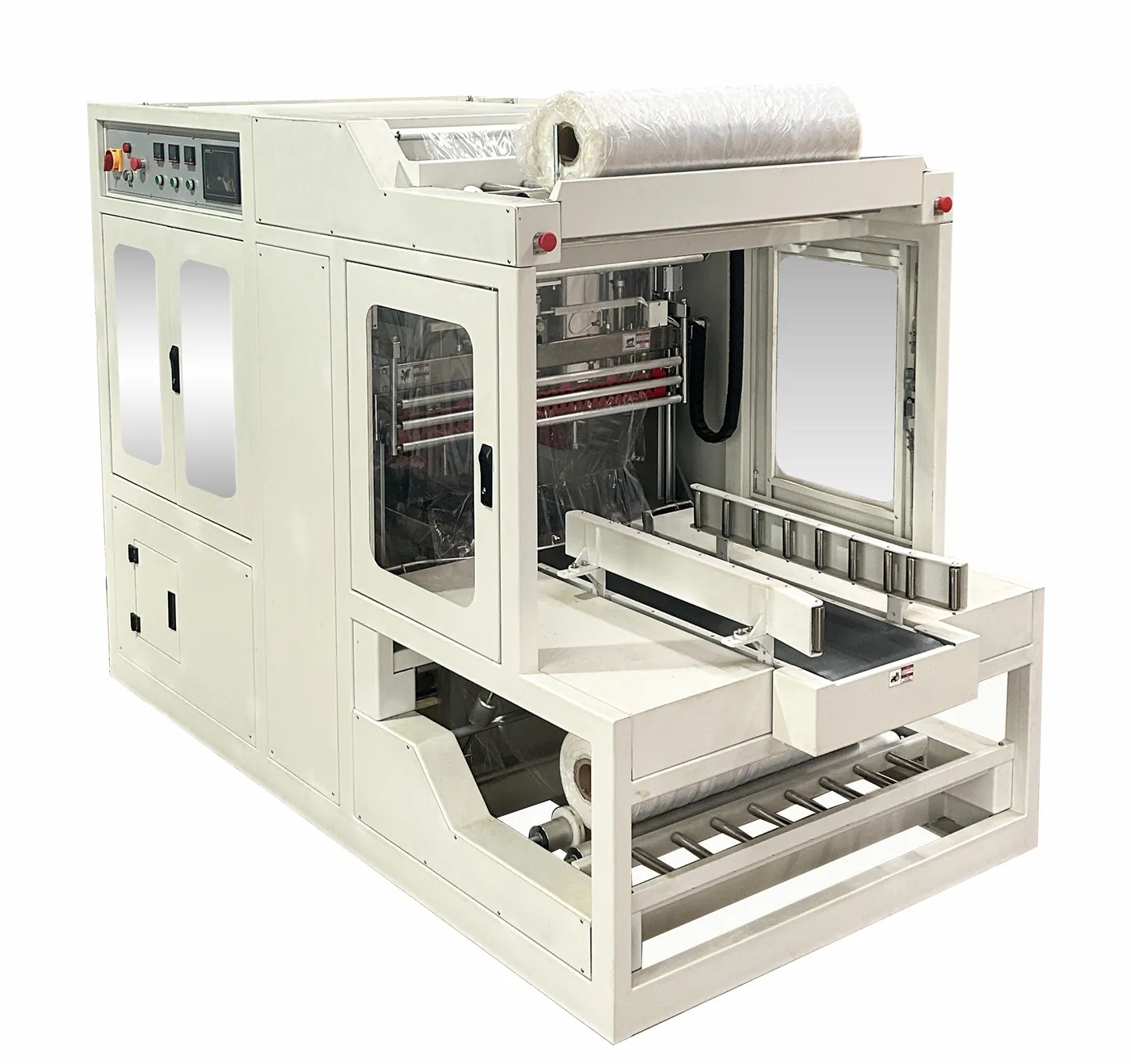
Uses LDPE film for four-side heat sealing in the synthetic-rubber packing section.
Automatically picks, opens, fills, and sews paper or woven bags for rubber bales after inner-film wrapping.
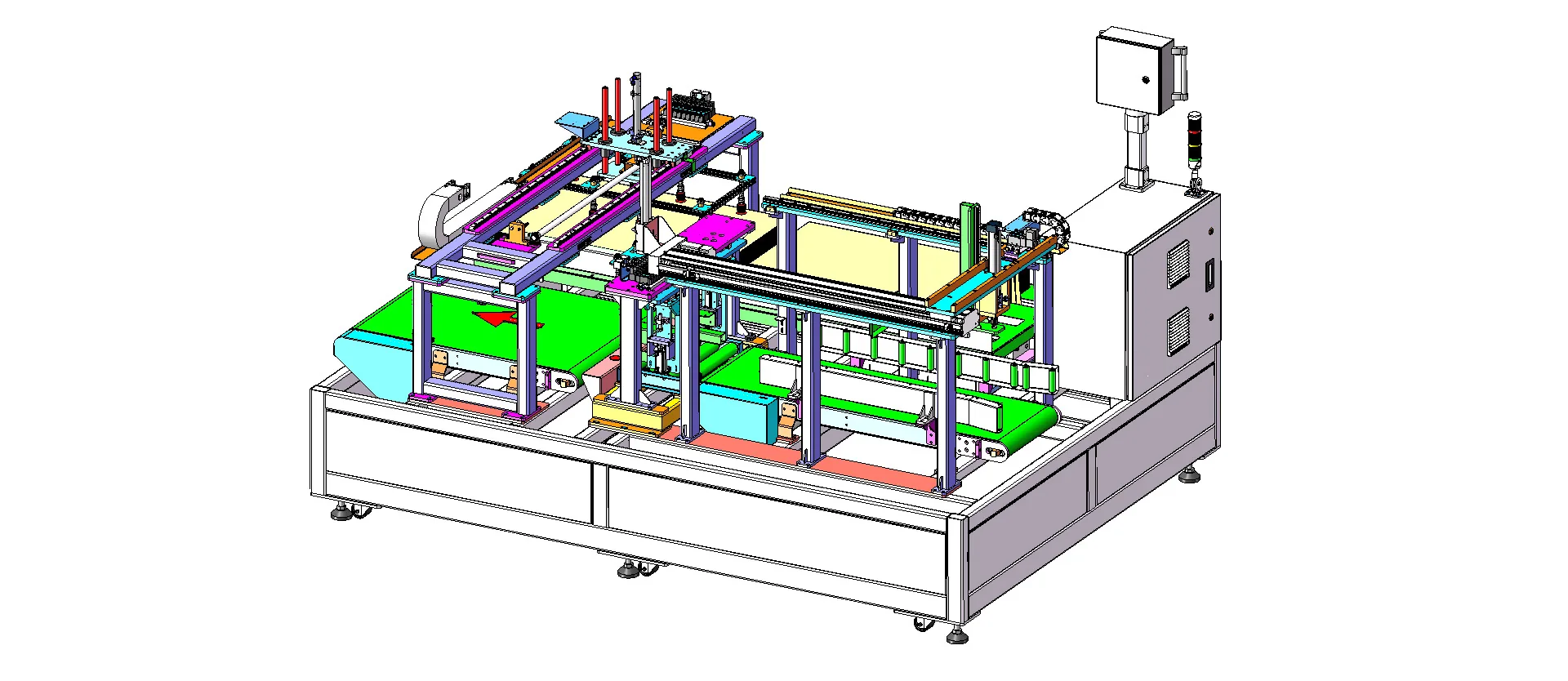
Detects metal contamination in synthetic-rubber bales online, triggers an alarm, and works with a reject device to remove non-conforming bales.
An industrial robot with a purpose-built gripper stacks rubber bales in a metal box or on a pallet according to the selected pattern.
Feeding and press configuration are selected after the rubber form, bulk density, temperature, flow behavior, target bale weight, and bale dimensions are confirmed.
Film wrapping, woven or paper bagging, closing, metal inspection, palletizing, or large-box loading can be configured to the finished-bale and logistics specification.
Engineering reviews upstream discharge rate, material condition, control signals, buffer requirements, downstream logistics, utilities, and available floor space.
Review Sinyoung's manufacturing capability, patents, quality controls, and international project support, together with the documented Jilin Petrochemical EPDM baling-press case.
The baler and feeding system are selected after the rubber form, bulk density, temperature, flow behavior, target bale weight, and upstream discharge method are confirmed.
The project can use metered feeding or weighing matched to the rubber form and required tolerance. The final method is defined together with the press cycle and upstream material flow.
Yes. Film wrapping, woven or paper bagging, closing, inspection, and downstream handling can be combined when required by the finished-bale and logistics specification.
Yes. The upstream discharge rate, signal interface, material temperature and form, available space, and buffer requirements must be reviewed during engineering.
Please provide the rubber form, bulk density, temperature, target bale weight and dimensions, hourly or annual output, packaging material, inspection requirements, plant layout, utilities, and upstream interface.
Project inquiry
Share your feedstock, target output, finished-rubber specification, energy conditions, and required automation. Information sent through this form is delivered to our engineering sales team and handled under our Privacy Policy.
Prefer to write directly? [email protected]