Progressive material conditioning
Staged cutting, kneading, extrusion, dewatering, creping and shredding reduce abrupt load changes and prepare a more uniform wet crumb for trolley filling and drying.
Sinyoung engineers complete TSR 10/20 natural rubber processing lines for cup lump and other approved coagulated feedstocks. A typical line integrates feedstock preparation, repeated size reduction and squeezing, creping, shredding, crumb transfer, trolley filling, controlled drying, baling, and metal inspection. Equipment quantity and automation are configured for the required rubber grade, hourly output, available heat source, site conditions, and operating plan.
At a glance
A complete TSR 10/20 line connects coagulated natural-rubber feedstock preparation, wet processing, kneading and extrusion through discharge screens, creping, granulation, trolley drying, conventional packing and metal inspection. Final equipment quantity is engineered from feedstock condition, required grade, qualified output, heat source, utilities and site layout.
These design features explain how the equipment supports service life, maintainability, process stability, safety or integration. Final performance remains subject to the confirmed material and project conditions.
Staged cutting, kneading, extrusion, dewatering, creping and shredding reduce abrupt load changes and prepare a more uniform wet crumb for trolley filling and drying.
Hardfaced knives, wear-resistant alloy discharge parts and split service components are used on key wet-line machines to extend service life and shorten replacement work.
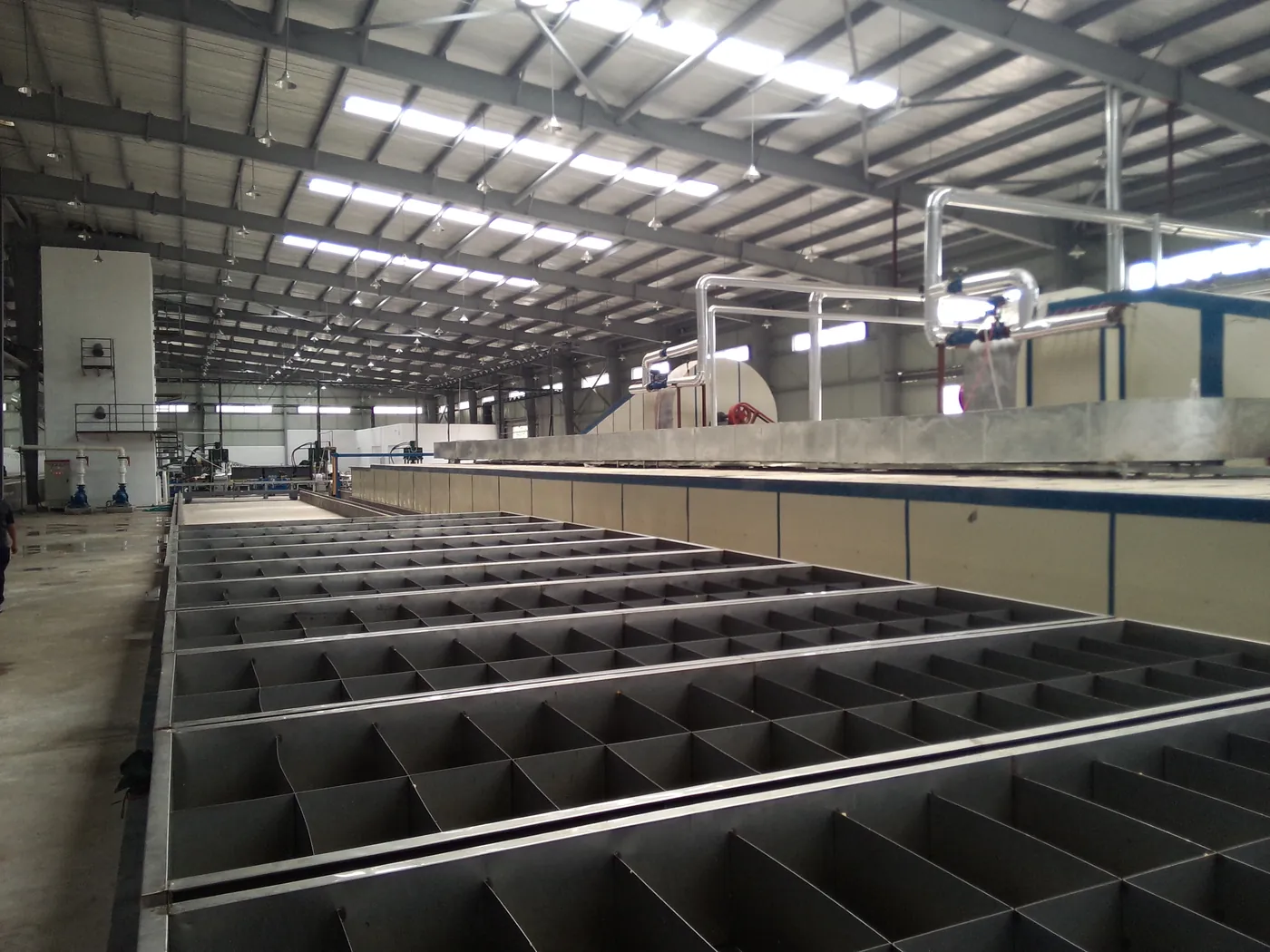
Engineered air ducts, negative-pressure operation, insulated modular panels, a 28-compartment trolley screen and three-level fire protection support stable airflow, controlled temperature and safer operation.
Wet-line duty, trolley loading, drying residence time and packing cycle are checked together, so the proposal is based on qualified line output rather than one machine rating.
Selection checklist
Technical reading
Feedstock receiving → cutting and wet prebreaking → multi-stage kneading, extrusion, dewatering and creping → shredding → crumb-water transfer → trolley filling → controlled drying → bale preparation and compression → metal inspection.
Model references clarify the machine series and inquiry scope. Final quantity, specification, and combination are confirmed from feedstock, output, utilities, site layout, packaging requirements, and the engineered process boundary.
| Process / application | Standard equipment name | Model |
|---|---|---|
| Wet processing | Slab Cutter | SC-700 |
| Wet processing | Wet Prebreaker | WP-700 / WP-600 / WP-500 |
| Wet processing | Screw Prebreaker | SWP-700 / SWP-600 / SWP-500 |
| Wet processing | Creper | CP-810 / CP-710 / CP-610 / CP-560 / CP-450 / CP-350 |
| Wet processing | Shredder | SHR-810 / SHR-710 / SHR-610 / SHR-560 / SHR-508 / SHR-420 / SHR-350 |
| Wet processing | Crumb Pump | CMP-180 / CMP-300 |
| Drying | Trolley Dryer (Diesel/LPG) | DR-nD/G |
| Drying | Multi-fuel Trolley Dryer | DR-nO |
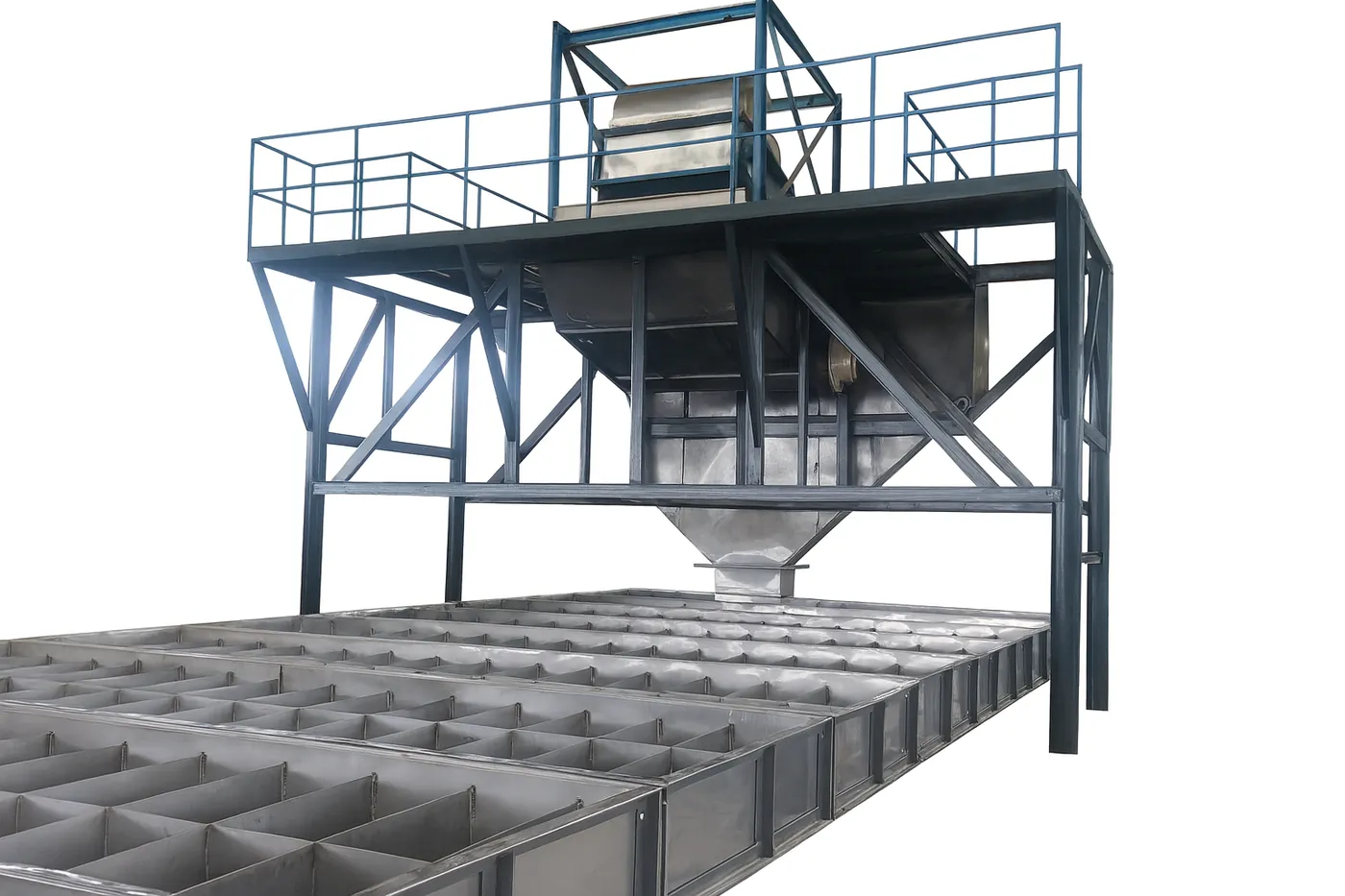
| Drying | Trolley Filling Station | FS-05 / FS-12 |
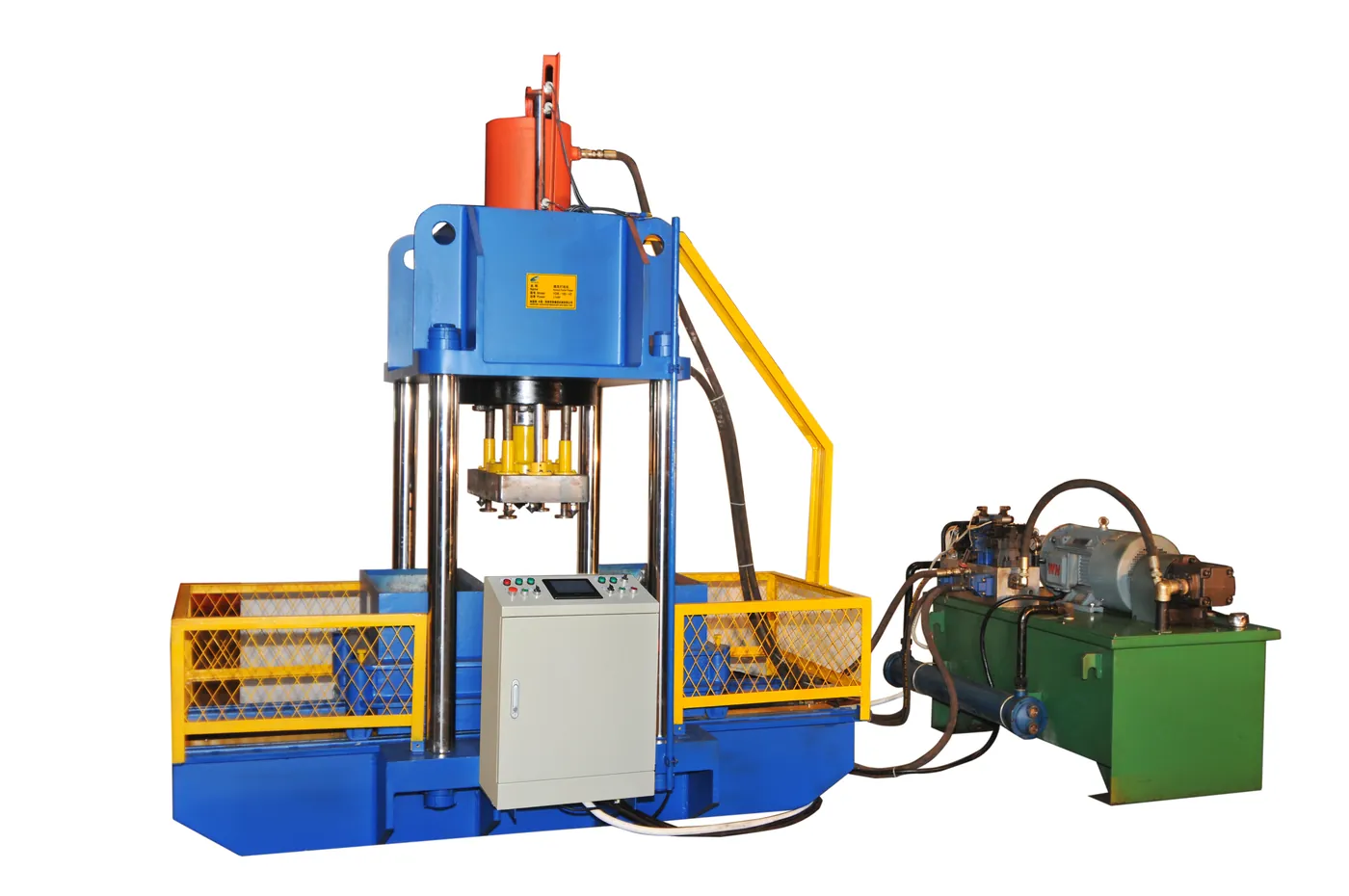
| Conventional packing | Dual-Chamber Baling Press | DPR-180 |
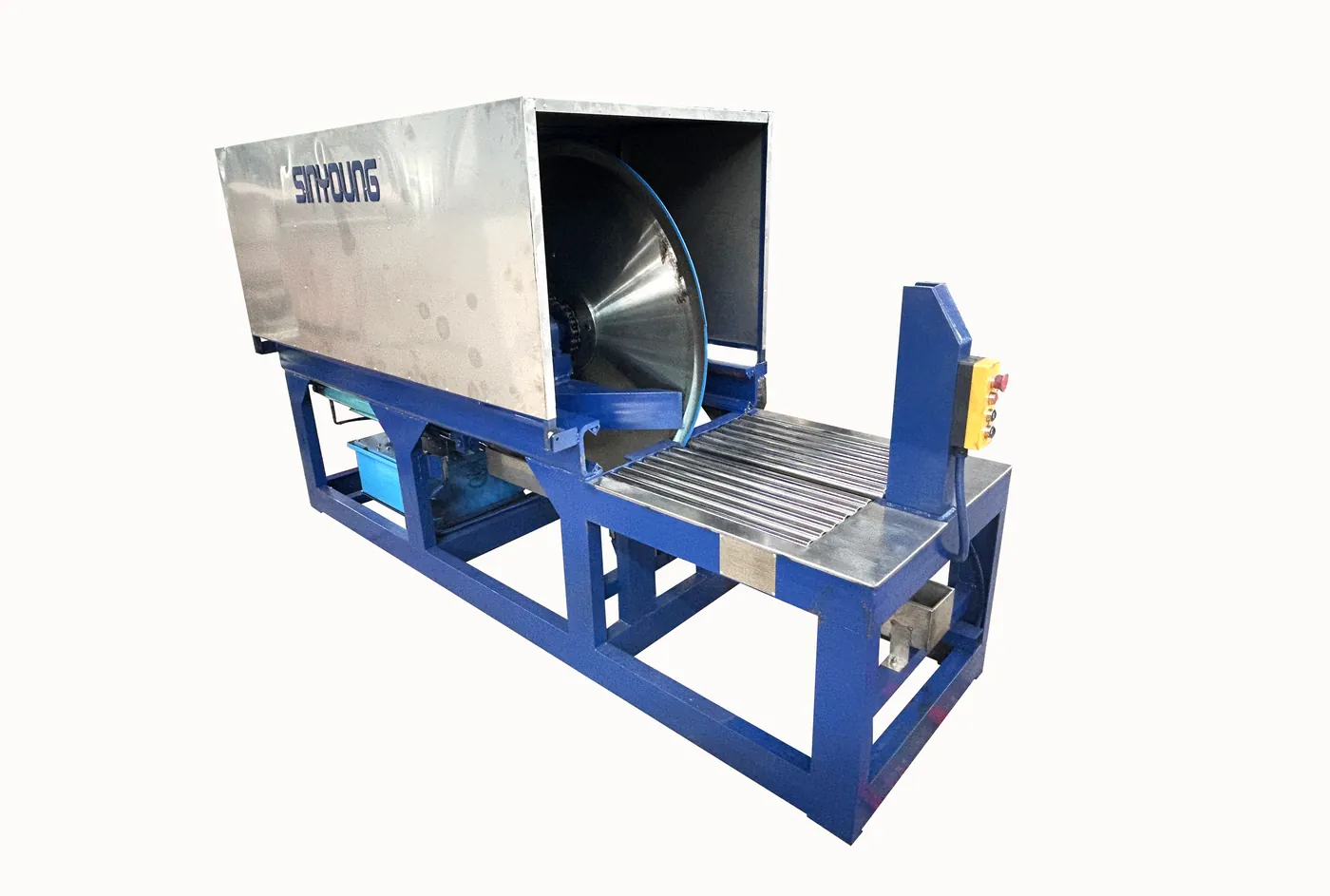
| Conventional packing | Rotary Bale Cutter | RBC-1200 |
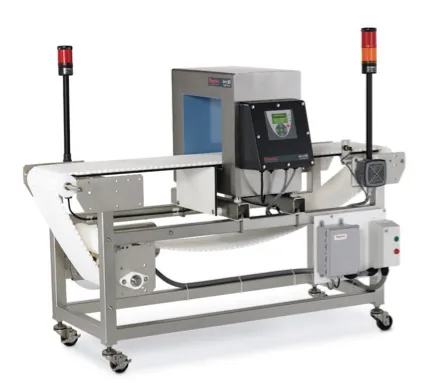
| Conventional packing | Metal Detector | JS-600/320 / APEX100-400/300 |
Used as the first stage of a TSR wet line, it breaks large rubber slabs into smaller pieces and exposes internal contaminants for subsequent washing and processing.
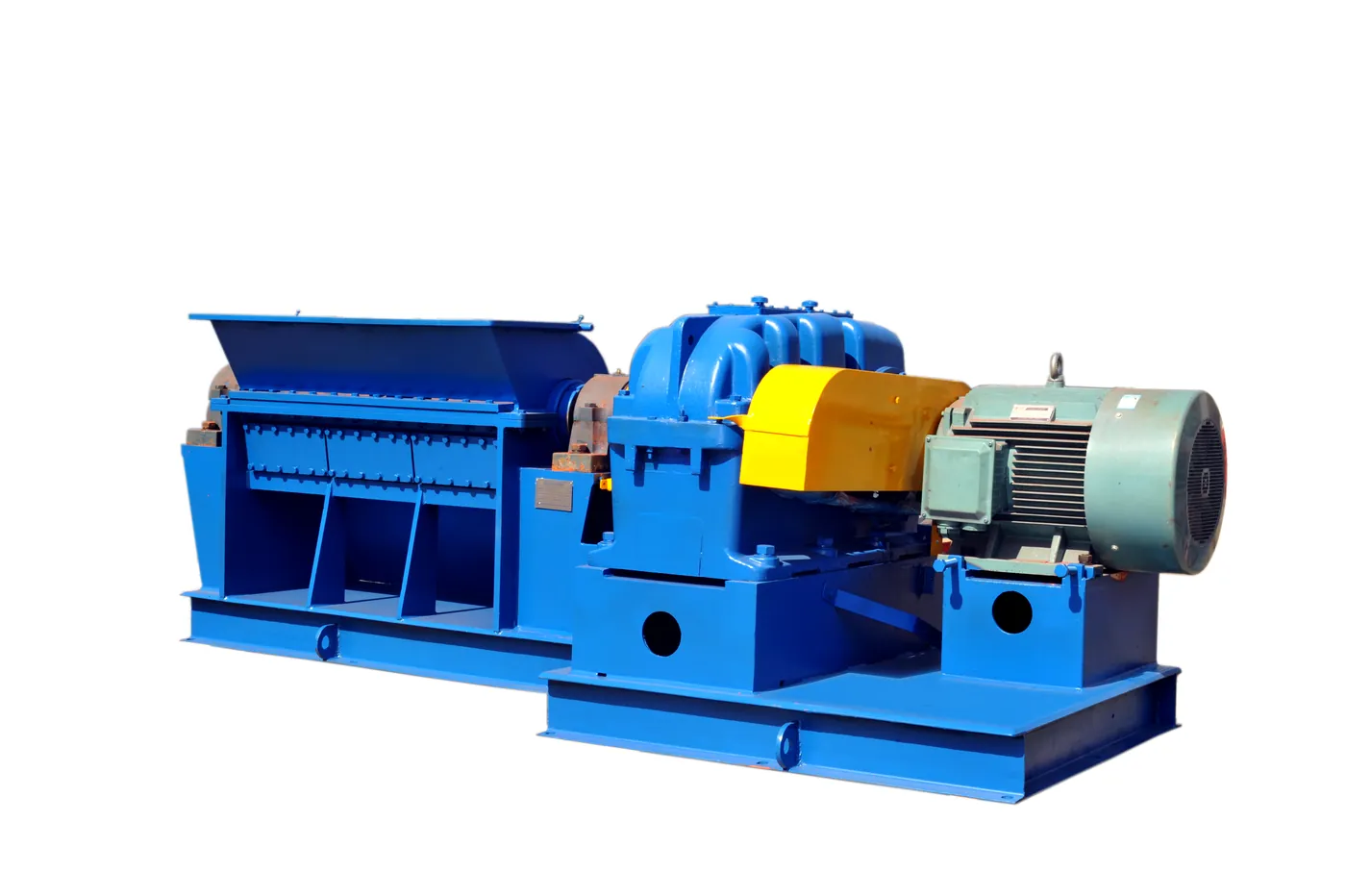
Used in the kneading, extrusion, and dewatering stage of a TSR wet-processing line, it uses moving and fixed knives to break and compress the rubber, forces the material through an adjustable discharge screen, and removes part of its moisture.
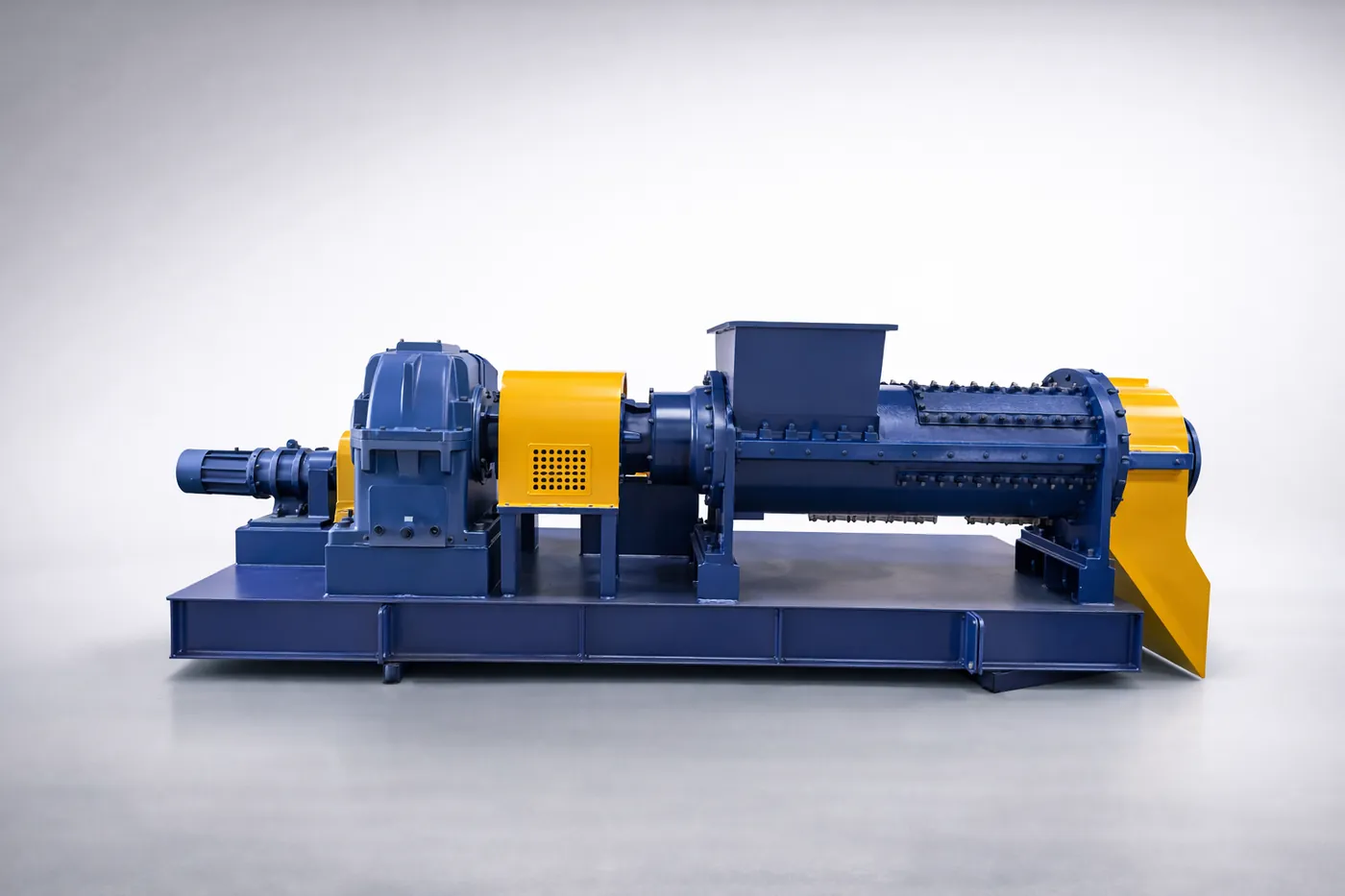
Used in the kneading, extrusion, and dewatering stage of a TSR wet-processing line, it uses a screw knife to break and compress the rubber, forces the material through an adjustable discharge screen, and removes part of its moisture.
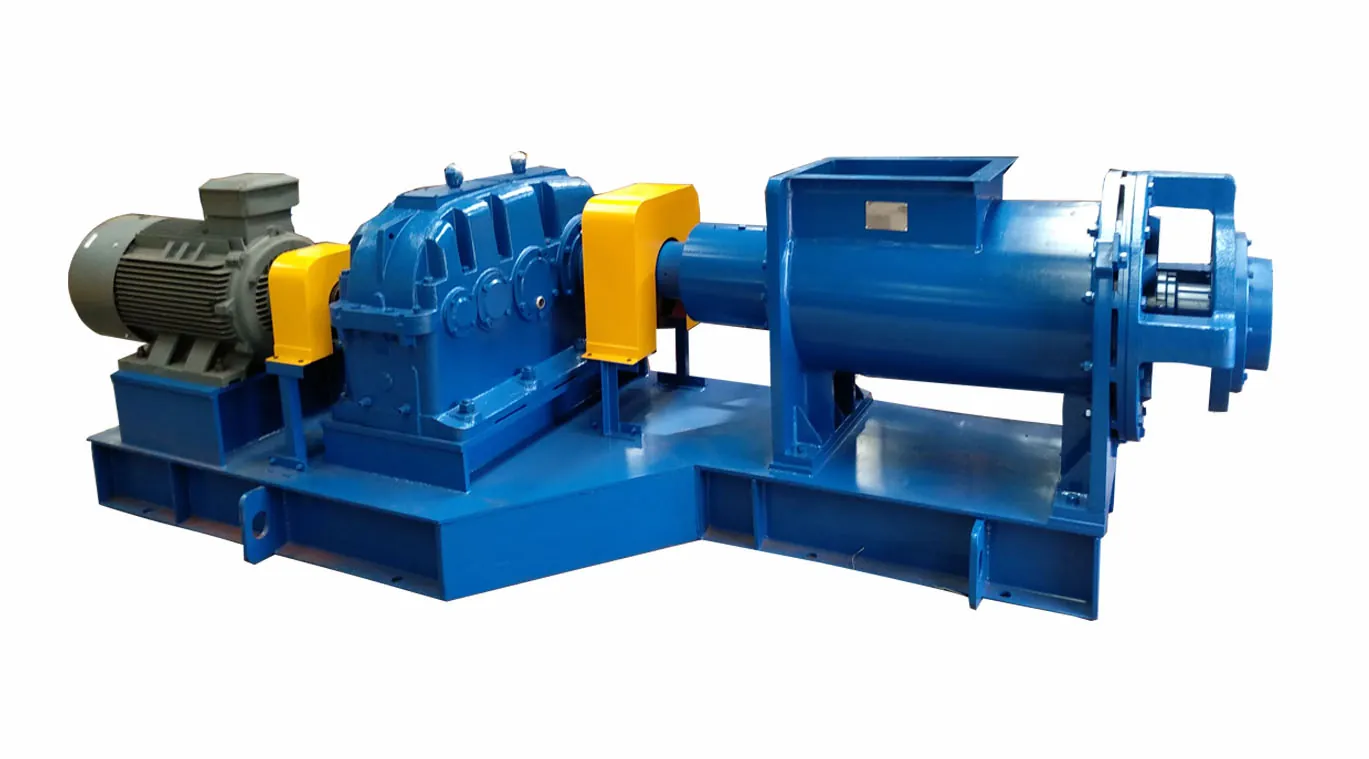
Presses kneaded rubber between a pair of rolls to form textured crepe sheets while further removing moisture and contaminants.
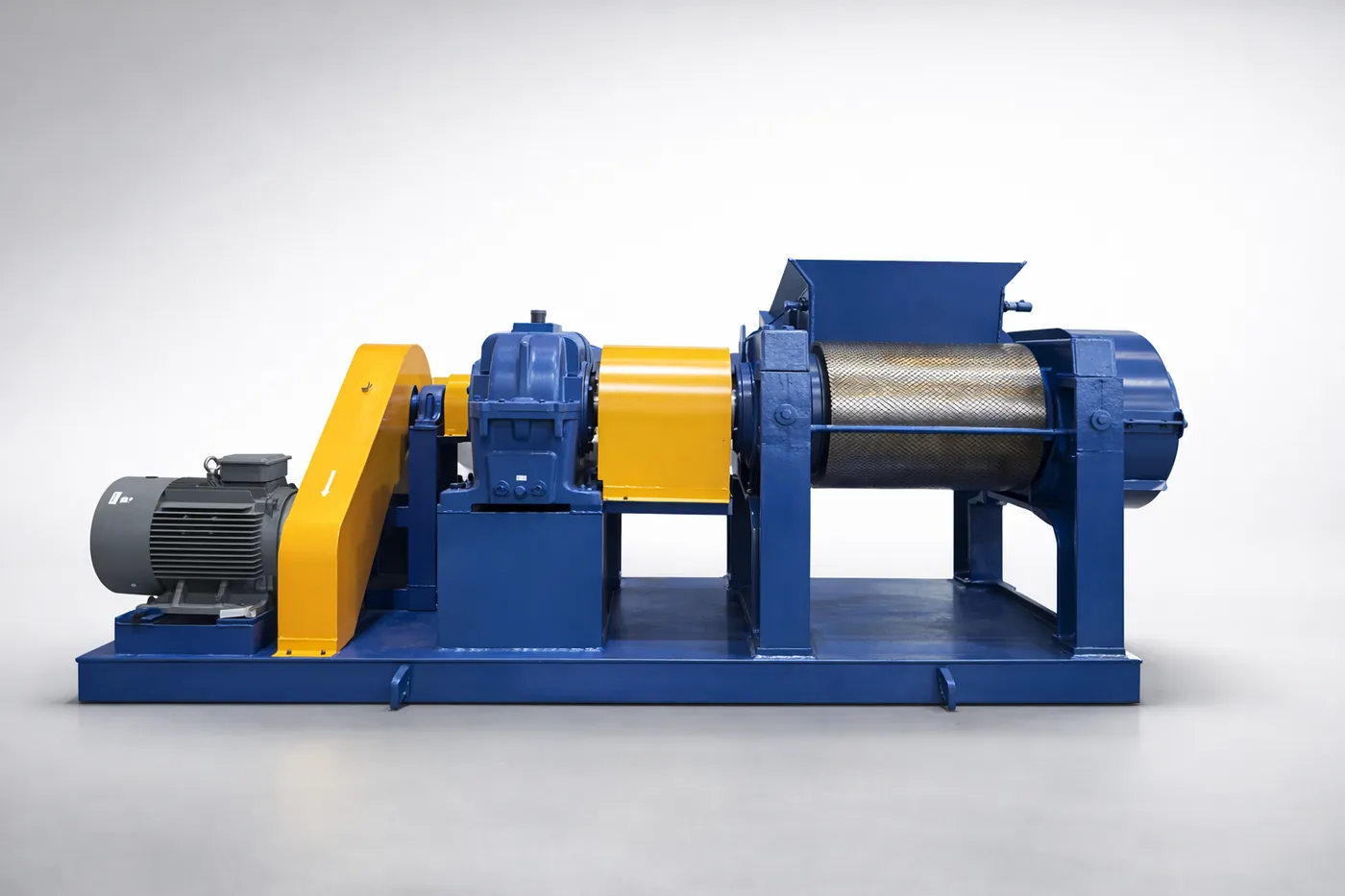
Uses the interaction between the roll and knife plate to shred crepe sheets into small, uniform rubber crumbs.
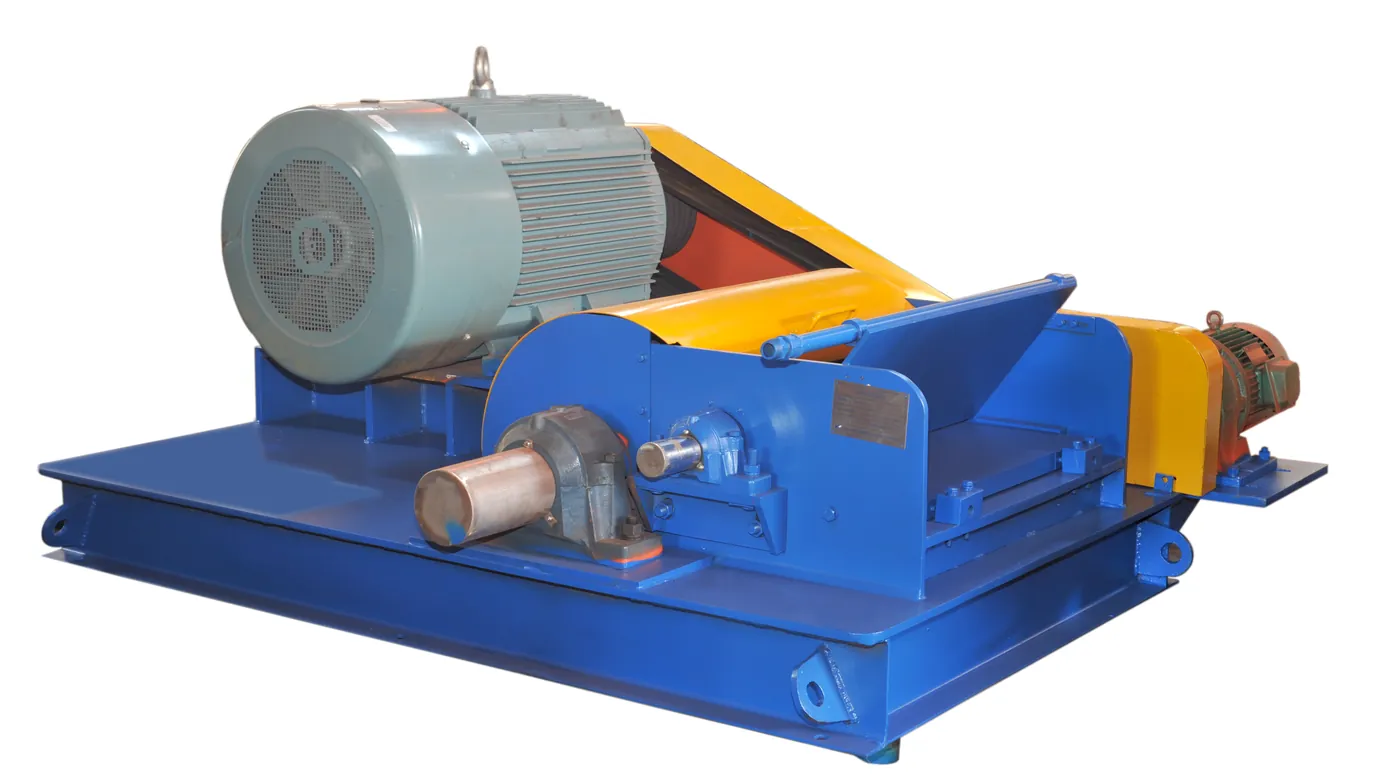
Pumps a mixture of fine rubber crumbs and water from the post-granulation stage to the filling station over a long distance.
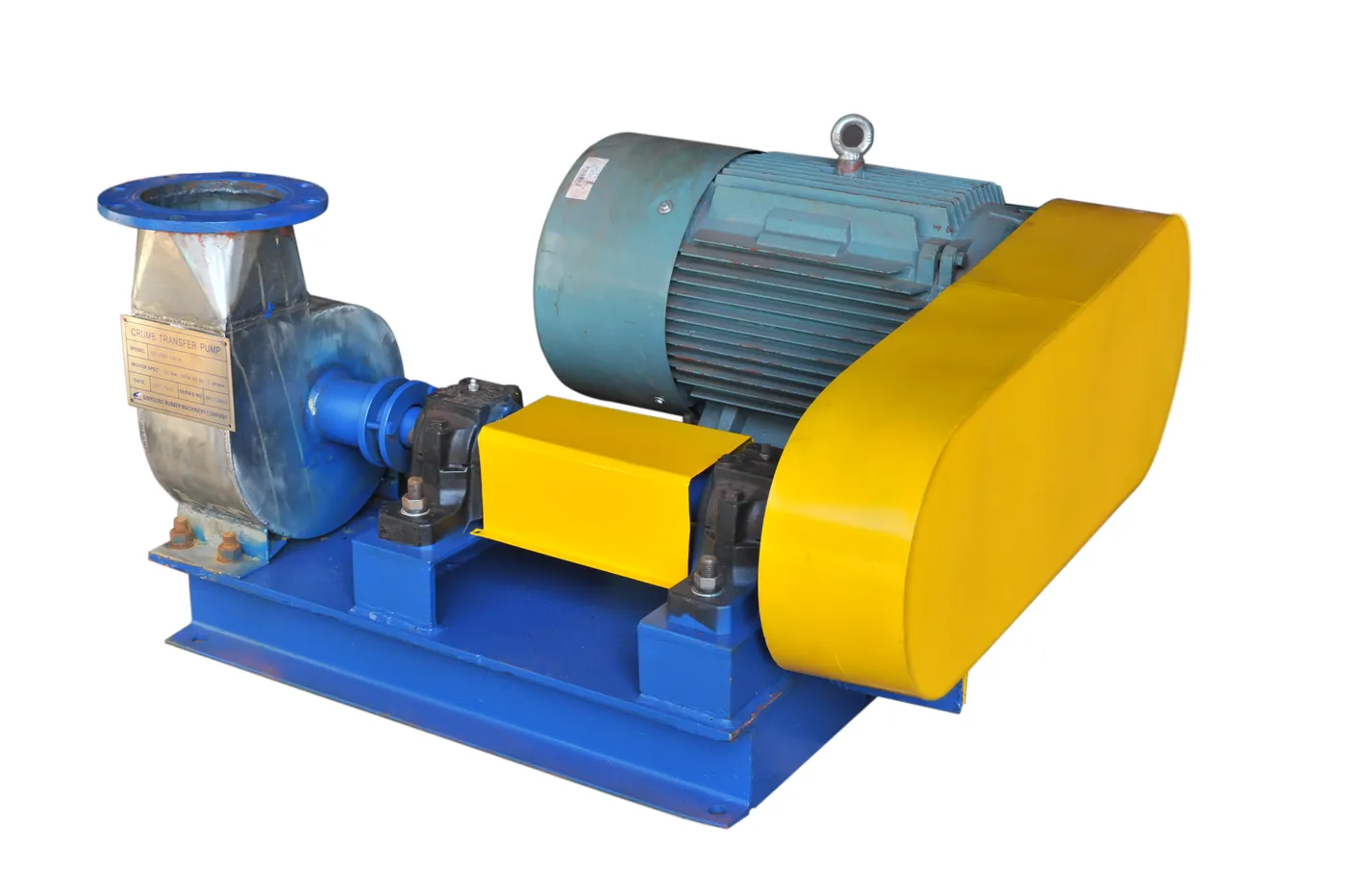
Dries rubber material in trolleys that are indexed through the chamber at a preset interval after crumb-water separation at the filling station.
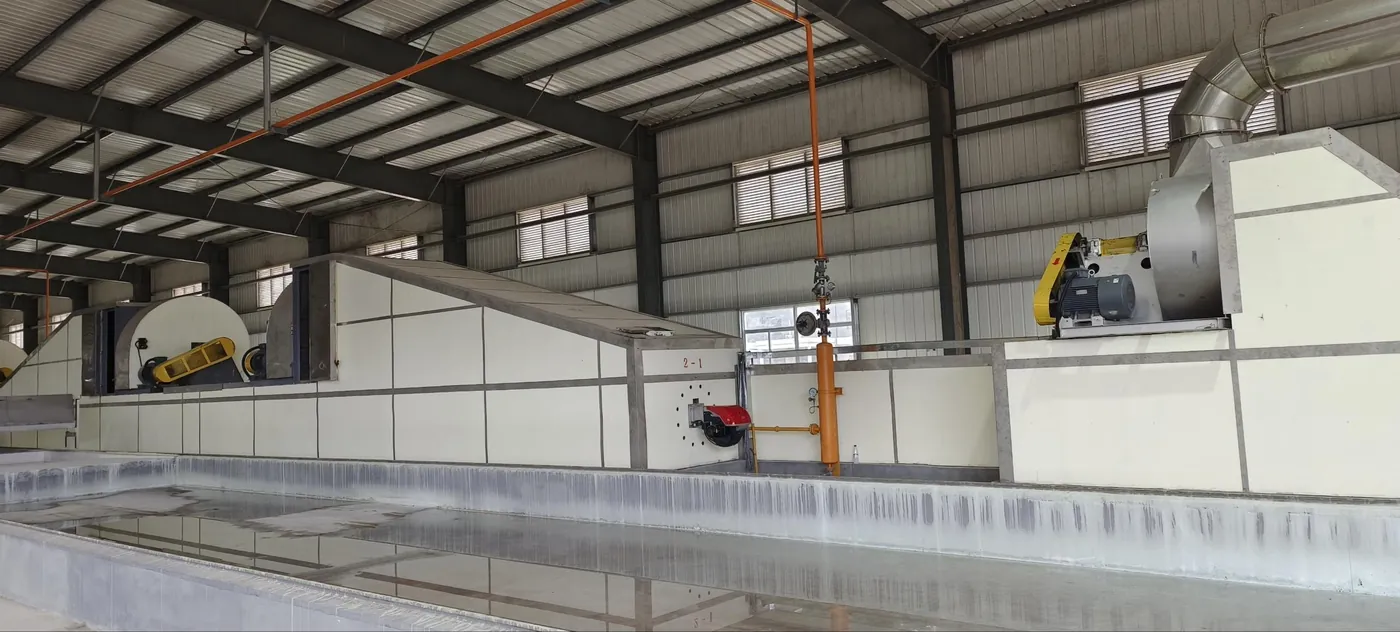
Dries rubber material in trolleys that are indexed through the chamber at a preset interval after crumb-water separation at the filling station.
Separates rubber crumbs from conveying water, loads the crumbs into dryer trolleys, and returns the collected water to the granulation tank.
Compresses two or three TSR rubber blocks into one bale of the specified size in a conventional packing line.
Uses a circular saw blade to cut rubber blocks into smaller pieces for bale-weight adjustment before compression.
Detects metal contamination in rubber blocks online, triggers an alarm, and works with a reject device to remove non-conforming blocks.
Feedstock condition, contamination, moisture, storage history, and the applicable TSR, SMR, SIR, STR, or other market specification must be reviewed before equipment is selected.
Line capacity depends on feedstock, moisture removal, drying time, trolley loading, bale specification, equipment quantity, and operating hours. Capacity is confirmed for the specific project rather than quoted without operating conditions.
The DR-nD/G trolley dryer uses diesel or LPG direct heating. The DR-nO multi-fuel trolley dryer can be engineered for diesel, LPG, coal, biomass, electricity, or another suitable site energy source. See the technical Q&A for heat-source selection.
Each proposal defines process design, equipment, automation, installation guidance, commissioning, training, spare parts, and plant-interface responsibilities. For downstream automation, review the automatic rubber bale packaging line. For the complete process sequence and its engineering variables, see the TSR 10/20 production-process guide.
These project-specific operating results help compare line configurations; they are not universal capacity guarantees. Final output depends on feedstock, moisture removal, trolley loading, drying conditions and operating plan.
Two TSR 10/20 lines in Côte d’Ivoire, each documented at 5.24 t/h with a 330-second trolley interval.
One TSR 10/20 line in Côte d’Ivoire, documented at 5.76 t/h with a 300-second trolley interval.
One TSR 10/20 line in Côte d’Ivoire, documented at 6.2 t/h with a 280-second trolley interval.
Two complete TSR lines, each documented at 5.36 t/h with a 320-second trolley interval, integrated with downstream automatic packaging.
The line is engineered for cup lump and other approved coagulated natural-rubber feedstocks. Feedstock condition, contamination, moisture, storage history, and finished-rubber grade must be reviewed before equipment is selected.
Capacity is determined from feedstock condition, moisture-removal duty, drying time, trolley loading, bale specification, equipment quantity, and the planned operating schedule.
The DR-nD/G trolley dryer uses diesel or LPG and can be configured for dual fuel. The DR-nO multi-fuel trolley dryer can be engineered for diesel, LPG, coal, biomass, electricity, or another suitable site energy source.
Yes. Individual machines or process sections can be evaluated for a staged upgrade after the existing layout, interfaces, capacity bottlenecks, and control system are reviewed.
Please provide feedstock details, finished-rubber grade and bale specification, target output, heat source, operating hours, site layout, available utilities, and the required automation scope.
Project inquiry
Share your feedstock, target output, finished-rubber specification, energy conditions, and required automation. Information sent through this form is delivered to our engineering sales team and handled under our Privacy Policy.
Prefer to write directly? [email protected]